Laser Toning Korea — Skin Brightening at Seoul’s Best Dermatology Clinics
Laser toning is one of Korea’s most popular dermatology treatments — a gentle, no-downtime laser protocol for achieving the coveted glass-skin glow. Compare Seoul clinics, costs and techniques. See also: /p>skin clinic korea.v-line surgery price korea.
What Is Laser Toning?

How It Works
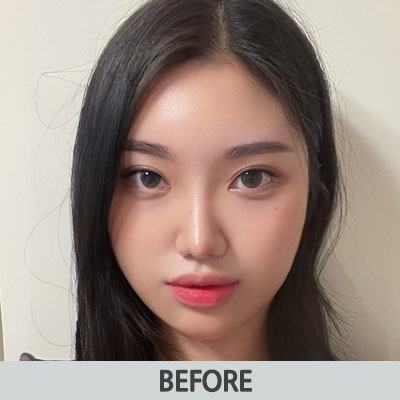
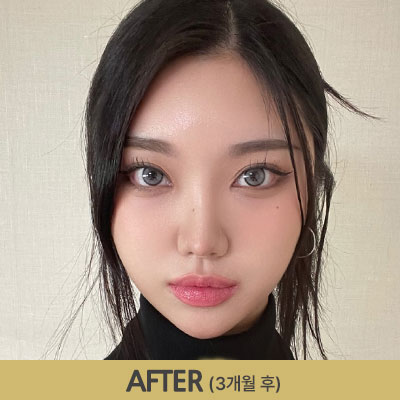
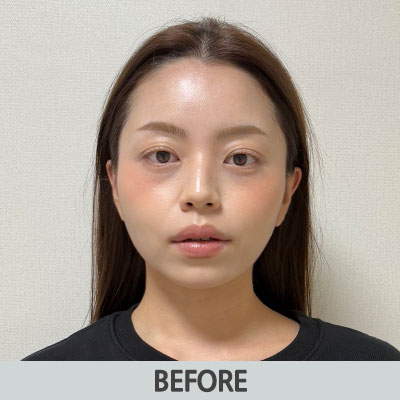
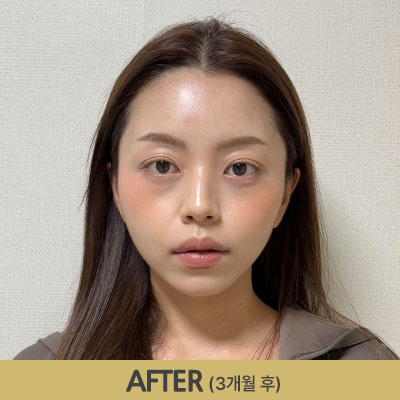
Laser toning uses low-fluence Q-switched Nd:YAG or picosecond laser pulses across the full face to gently break down excess melanin and stimulate skin cell turnover. Unlike ablative treatments, laser toning requires no numbing cream, has zero downtime and delivers a cumulative brightening effect across a series of sessions. See also: /p>gangnam derm clinic.

Who Is It For
Ideal for patients with melasma, generalised dullness, mild sun damage or uneven tone who want gradual brightening without visible recovery time. Also popular as a maintenance treatment after more intensive laser or chemical peel procedures. Safe for all skin types including darker Asian complexions when performed at appropriate settings. For more on this topic, see /p>skincareclinicseoul.com.

What to Expect
Each session takes 15-20 minutes. A mild warmth or rubber-band-snap sensation during treatment. Skin looks the same immediately after — no redness or peeling. Results build gradually over 4-8 sessions. Many medical tourists do a session on arrival and another before departure for a noticeable glow boost during their Seoul trip. Learn about /p>
Laser Toning Korea FAQ
How much does laser toning cost in Korea?
100,000–250,000 KRW per session at most Gangnam dermatology clinics. Package deals (5-10 sessions) reduce the per-session cost by 20-30%. Some clinics include laser toning as part of a broader skin brightening package with skin boosters and LED therapy — typically 500,000–1,200,000 KRW for a complete package. For comparison, see /p>
Is laser toning the same as pico laser?
Laser toning traditionally refers to low-fluence Q-switched Nd:YAG treatment. Pico toning uses a picosecond laser at similar low-fluence settings. Both achieve brightening with zero downtime, but pico toning is generally considered more advanced — more effective on stubborn melasma and with a lower risk of rebound pigmentation with repeated use.